Understanding Traumatic Brain Injury

Traumatic Brain Injury (TBI) is a significant concern that impacts millions of lives across the globe. This article aims to provide clear insights into TBI, including its causes, symptoms, diagnosis, treatment options, and strategies for prevention. Understanding this health issue is crucial for students, researchers, and anyone interested in medical science, public health, or neuroscience.
What is TBI?
Traumatic Brain Injury refers to damage to the brain caused by an external mechanical force. This injury can result from everyday situations, such as falls in the home, vehicle accidents, sports activities, or even violent attacks. TBI can vary in severity from mild concussions, affecting around 1.6 to 3.8 million people in the U.S. annually, to severe brain trauma that can lead to lasting disabilities or even death.
Causes of TBI
Various scenarios can result in traumatic brain injury:
Falls: This is the leading cause of TBI across all age groups, particularly among older adults and children under the age of 14. In fact, the Centers for Disease Control and Prevention (CDC) reports that falls account for approximately 48% of TBI-related hospitalizations.
Motor Vehicle Accidents: Car and motorcycle crashes are significant contributors to severe brain injuries. In 2020, motor vehicle crashes led to over 24,000 cases of TBI in the U.S.
Violence: Incidents such as gunshot wounds or physical attacks can lead to TBI and are often more prevalent in specific demographics, particularly among young males.
Sports Injuries: High-impact sports, including football, boxing, and hockey, commonly cause concussions. The CDC estimates that over 300,000 sports-related TBIs occur each year at the high school level alone.
Explosive Blasts: Military personnel are at risk of TBI from blasts. Studies indicate that 10-20% of veterans returning from Iraq and Afghanistan may experience TBI related to explosive blasts.
Types of TBI
Traumatic brain injuries fall into two primary categories:
Closed Head Injury: This occurs when an object strikes the head or when the brain moves rapidly within the skull, causing bruising or bleeding without the skull breaking. An example is a concussion, often sustained during sports play.
Open Head Injury: This involves a fracture of the skull that exposes the brain. It often results from accidents involving sharp objects or projectiles, such as in the case of gun violence.
Symptoms of TBI
Symptoms can vary greatly depending on the severity of the injury and may not manifest right away.
Mild TBI (Concussion): Typical symptoms include headaches, confusion, dizziness, nausea, and occasional loss of consciousness. Approximately 85% of TBIs are classified as mild.
Moderate to Severe TBI: More severe symptoms may include prolonged unconsciousness, seizures, dilated pupils, slurred speech, or persistent headaches. A study has shown that patients with severe TBI frequently experience long-term cognitive challenges.
Recognizing these symptoms is essential for seeking timely medical assistance, which can lead to better recovery outcomes.
Diagnosis of TBI
Diagnosing TBI usually involves several approaches:
Neurological Exam: Medical professionals assess cognitive functions, coordination, reflexes, and balance to gauge brain health.
Imaging Tests: Techniques like CT scans and MRIs help visualize brain injuries, identifying damage such as bleeding or swelling.
Neuropsychological Tests: These tests assess cognitive functions like memory and attention. According to research, a significant percentage of patients experience cognitive impairments post-TBI.
Treatment Options
Treatment varies based on the TBI severity:
Emergency Care: For severe TBIs, immediate interventions may include surgery to relieve pressure on the brain, remove blood clots, or repair skull fractures.
Rehabilitation: Patients may face extensive rehab that includes physical therapy to regain mobility, occupational therapy to assist in daily living activities, and speech therapy to improve communication.
Medications: Physicians may prescribe medication for pain management, seizures, or various symptoms linked to TBI. About 40% of TBI patients may require medication for managing chronic pain.
Long-Term Effects of TBI
The long-term effects of TBI can be substantial and often significantly impact quality of life.
Cognitive Challenges: Survivors may struggle with memory loss, diminished attention span, and poor decision-making abilities. Studies suggest that approximately 60% of TBI patients will experience cognitive impairment.
Emotional Changes: Mental health issues such as depression, anxiety, and impulsivity frequently arise after a TBI. Research indicates that up to 30% of TBI survivors may undergo significant emotional disturbances.
Physical Impairments: Survivors can experience motor skill challenges, coordination difficulties, or sensory deficits that complicate their daily lives.
Awareness of these potential long-term effects can help families and caregivers provide better support for individuals recovering from TBI.
Prevention Strategies
Preventing traumatic brain injuries can be effectively achieved through several key measures:
Wear Helmets: Using properly fitted helmets when biking, skateboarding, or participating in contact sports can dramatically reduce TBI risks. Studies show that helmets can decrease the likelihood of serious brain injuries by over 70%.
Home Safety: Make homes safer by installing non-slip mats, handrails, and ensuring ample lighting, particularly for older adults who are prone to falls.
Education: Raising awareness about risky behaviors—such as driving under the influence—can be crucial in preventing accidents leading to TBI.
Workplace Safety: In high-risk jobs, following safety protocols and wearing appropriate protective gear can significantly lower the chances of brain injuries occurring on the job.
Resources for Support and Information
If you or a loved one is affected by TBI, numerous resources can provide support:
Support Groups: Organizations like the Brain Injury Association offer a variety of networks and resources for those dealing with TBI impacts.
Research Foundations: Institutions such as the National Institute of Neurological Disorders and Stroke focus on TBI research and provide valuable information to the public.
Rehabilitation Centers: These specialized centers offer tailored programs to help individuals recover from TBI, including personalized therapy based on each person's needs.
The Importance of Awareness and Action
Traumatic Brain Injury is a serious public health issue that demands continued awareness and proactive strategies for management and prevention. By engaging in research and adopting informed practices, we can enhance safety measures, improve recovery rates, and provide essential support to those affected by this intricate injury. For students and researchers, exploring TBI opens up avenues that intersect across many disciplines, creating opportunities for further study and advocacy.
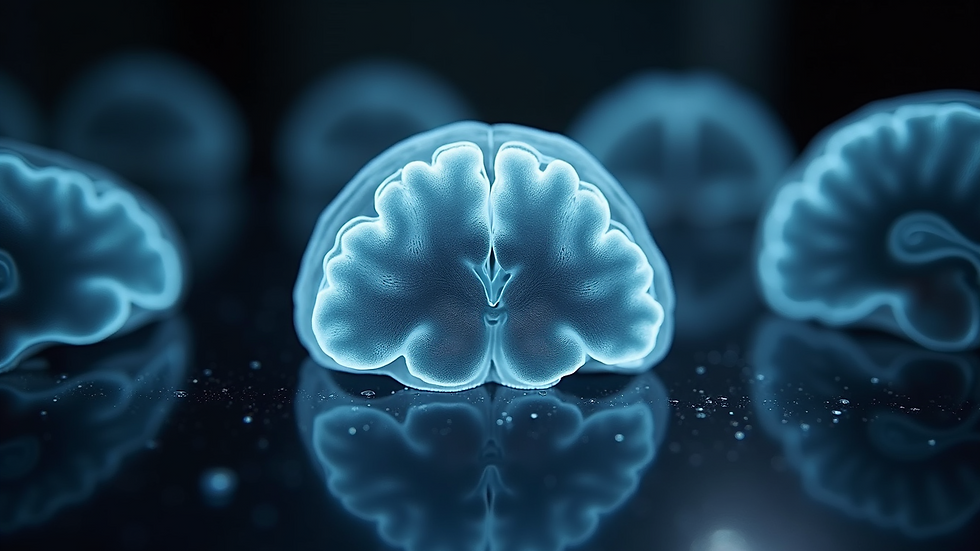
I found this piece of art, incredibly informative. I absolutely loved reading this, it almost felt ephemeral. Props to you Mr.Krish Makhija for creating this wonderful piece. As they say "a paper is created with your brain, while art is created wit your love. Many hearts to you and your team!